


The application of sound-absorbing coatings is very wide, which can be mainly summarised in the following areas:
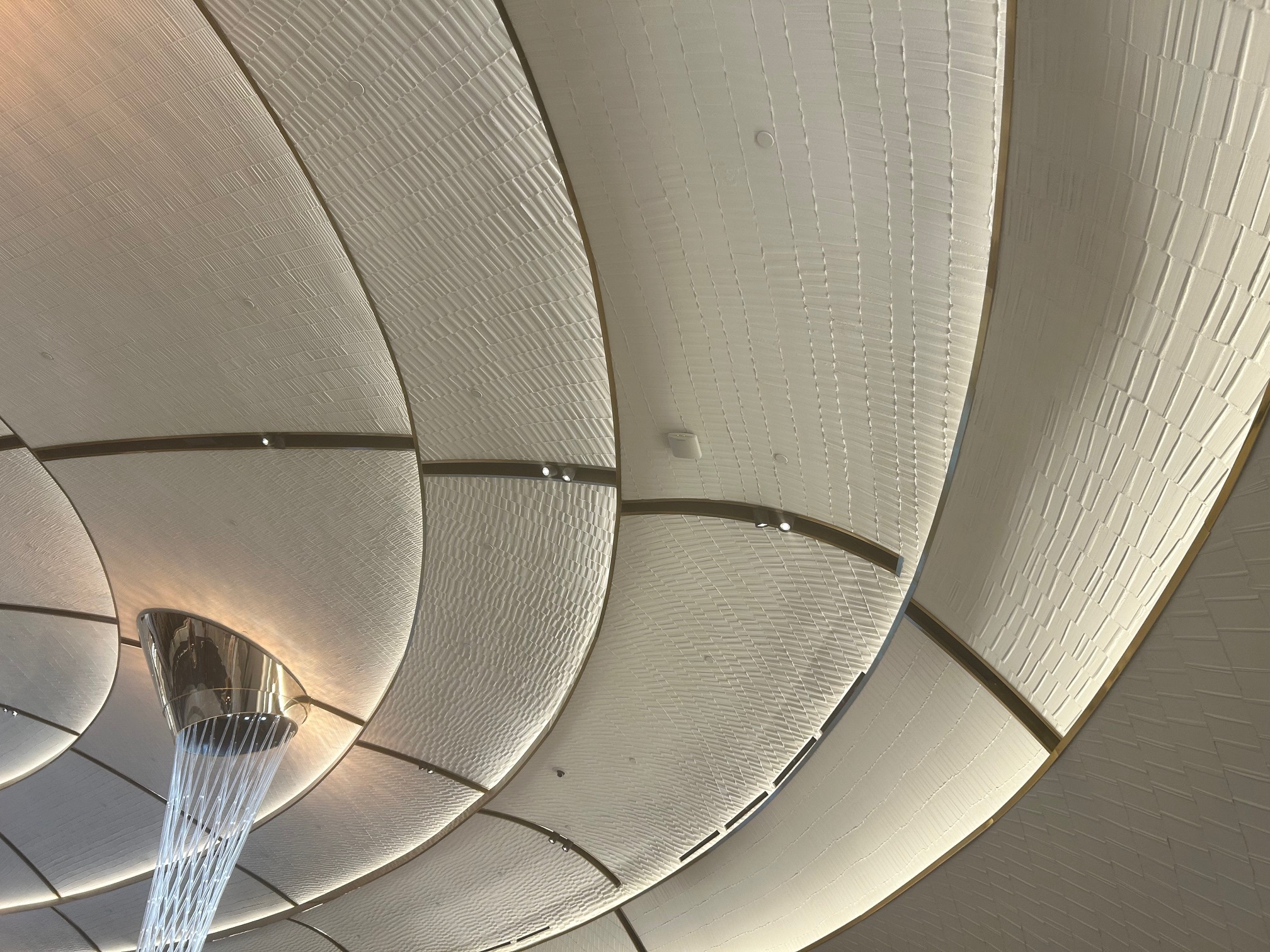
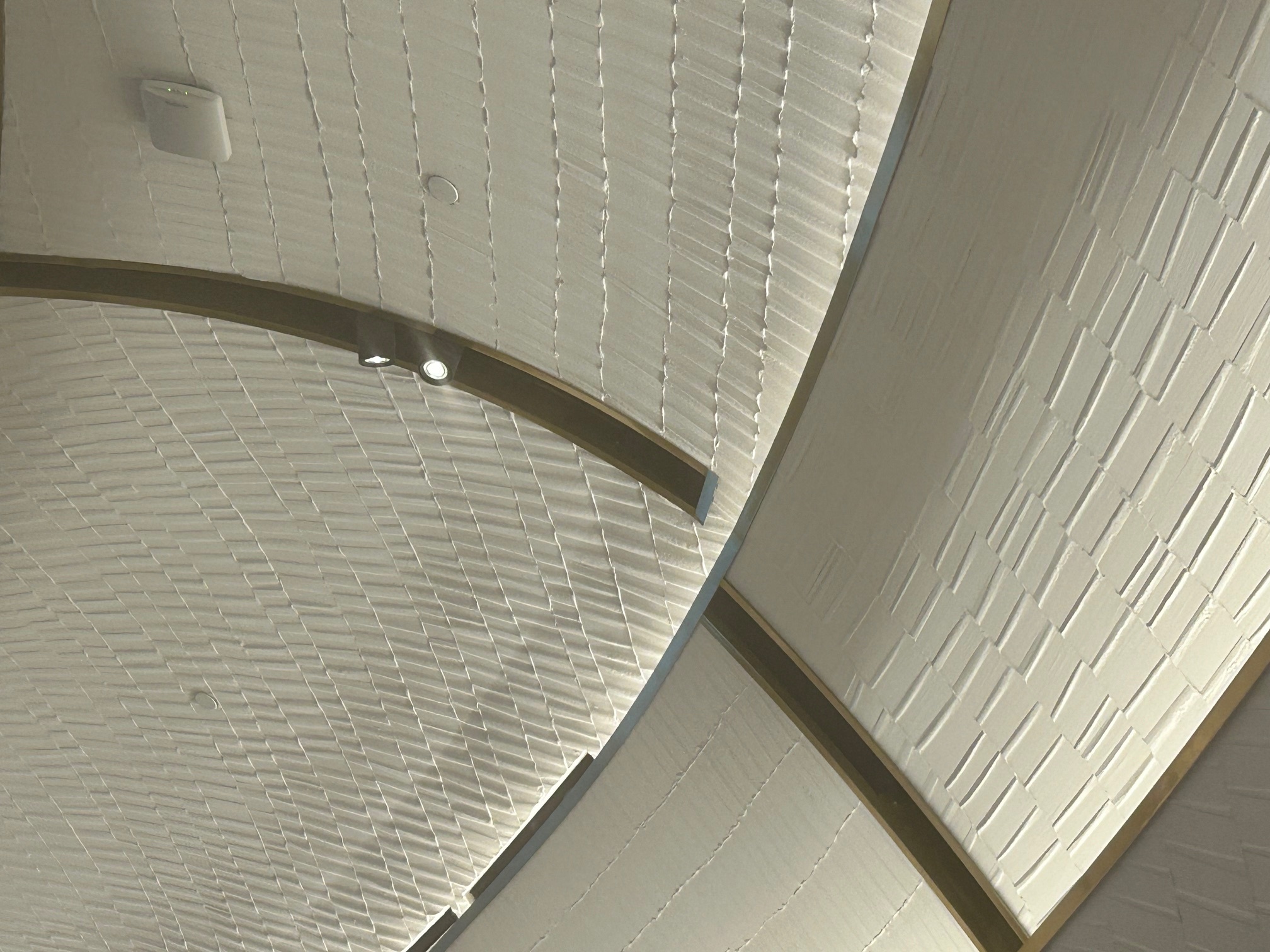
Public buildings and commercial spaces: sound-absorbing coatings are commonly used in theatres, lecture halls, conference rooms, swimming pools, gymnasiums and other places for controlling reverberation time and enhancing sound quality effects
.
Traffic facilities: sound-absorbing coatings are used to reduce traffic noise in underground car parks, underground stations, high-speed railway tunnels, city tunnels and other traffic facilities.
.
Industrial facilities: sound-absorbing coatings are used to reduce noise in laundry rooms, textile bleaching and dyeing workshops, brewing workshops and wet rooms such as water pump rooms.
.
Outdoor structures and high-risk equipment: sound-absorbing coatings play an important role in the fire-resistant protection of outdoor exposed structures such as offshore petrochemical facilities, petrochemical and power industries, as well as important and high-risk equipment such as steel structures, tunnel structures, drilling platforms, refineries and nuclear power plants.
.
Residential and entertainment places: in residential, villa, hotel, guesthouse, entertainment places and other places that need to be decorated and sound-absorbing, sound-absorbing coatings not only play a role in beautification, but also can effectively absorb noise.
.
Shopping malls and exhibition halls: In shopping malls, exhibition halls and other places that need to improve the acoustic environment, sound-absorbing coatings can help to improve the overall auditory comfort.
.
Offices and Waiting Rooms: In offices, airport waiting halls, railway station waiting rooms, ship waiting rooms and other places, sound-absorbing coatings are used to improve the acoustic environment and reduce noise interference.
.
In summary, sound-absorbing coatings are widely used in a variety of applications to improve the acoustic environment and enhance safety due to their strong bonding, no joints, durability, aesthetics, waterproofing, anti-condensation, anti-corrosion, fireproofing, non-toxicity, non-combustibility, heat insulation and good sound absorption properties

The following steps and considerations can be followed for proper selection and application of acoustic coatings:
1. Selection of sound-absorbing coatings
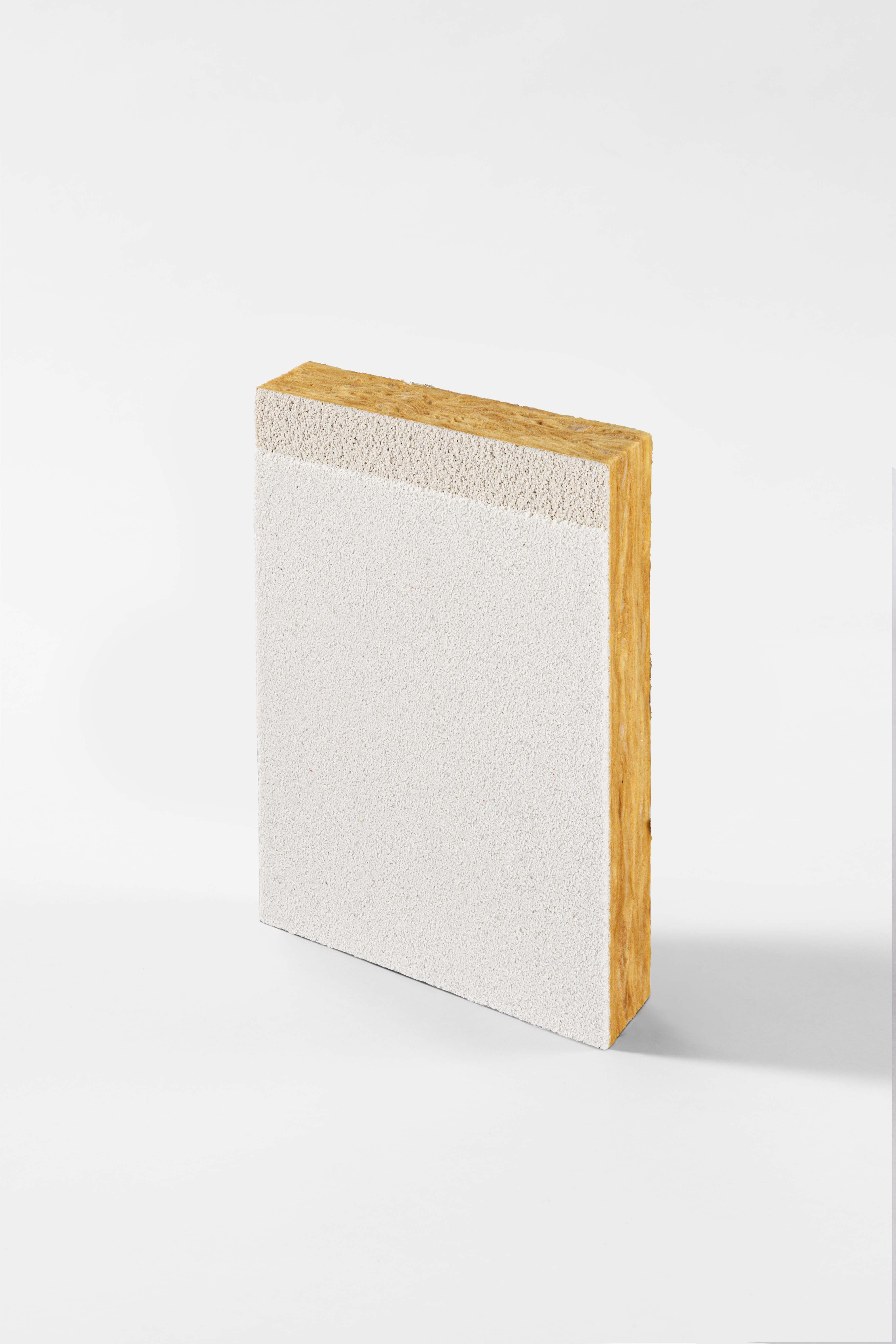
Material properties: When choosing sound-absorbing coatings, whether the pores are open and interconnected should be considered, because the more pores, the better the sound-absorbing effect.
Storage conditions: should be stored in a dry and well ventilated storage room.
Durability and fire resistance: choose acoustic materials that are not easy to be moth-eaten and decayed, and not easy to be burned.
Storage conditions: should be stored in a dry and well ventilated storage room.
Acoustic absorption coefficient: as far as possible to choose a higher coefficient of acoustic absorption of the material, in order to save the amount of material, to achieve the purpose of the economy.
Storage conditions: should be stored in a dry and well ventilated storage room.
2. Preparation before construction
Site preparation: Before construction, the site needs to be cleaned up, remove obstacles unfavourable to construction, and ensure the environmental safety around the site.
Storage conditions: should be stored in a dry and well ventilated storage room.
Surface treatment: check the flatness and quality of the wall, ceiling and other surfaces, such as cracks, hollow drums and other surface defects need to be repaired in advance.
Storage conditions: should be stored in a dry and well ventilated storage room.
Material Preparation: Prepare the required sound-absorbing coatings, brushes, auxiliary materials and other construction tools and materials.
Storage conditions: should be stored in a dry and well ventilated storage room.
3. Construction steps
Material mixing: in accordance with the instructions for sound-absorbing coatings, sound-absorbing coatings and diluents in proportion to the mixing and stirring.
Storage conditions: should be stored in a dry and well ventilated storage room.
Primer painting: Paint the pre-mixed primer on the construction surface, make sure the primer is evenly painted, and wait for drying.
Storage conditions: should be stored in a dry and well ventilated storage room.
Sound-absorbing paint construction: Paint the prepared sound-absorbing paint evenly on the surface of the primer, using horizontal and vertical cross-brushing methods to ensure that the sound-absorbing paint evenly covers the construction surface.
Storage conditions: should be stored in a dry and well ventilated storage room.
4. Construction method
Scraping method: batch the sound-absorbing paint directly on the treated wall.
Storage conditions: should be stored in a dry and well ventilated storage room.
Spraying method: Use the stone paint spray gun, keep the muzzle perpendicular to the wall, and evenly spray on the wall.
Storage conditions: should be stored in a dry and well ventilated storage room.
Double spraying method: use special double nozzle spray gun to pour two kinds of coloured base materials into the spray gun to separate the two sides, and then spray it into shape once to get two-colour effect.
Storage conditions: should be stored in a dry and well ventilated storage room.
5. Construction Notes
Operation steps: spraying should pay attention to master the operation steps, preferably the first edge after the middle, so that the speed of uniformity, lap tightly thick and thin, no leakage of the bottom is not repeated.
Storage conditions: should be stored in a dry and well ventilated storage room.
Environmental requirements: sound-absorbing coatings when the temperature is below 4 degrees Celsius should not be constructed.
Storage conditions: should be stored in a dry and well ventilated storage room.
Safety protection: construction personnel should be equipped with protective gloves, glasses, masks, waterproof shoes, etc., follow the recommended ventilation requirements of the work area.
Storage conditions: should be stored in a dry and well ventilated storage room.
Storage conditions: It should be stored in a dry and well ventilated storage room.
Storage conditions: should be stored in a dry and well ventilated storage room.
Following the above steps and precautions will ensure the correct selection and application of acoustic coatings for optimum sound absorption and construction quality.
