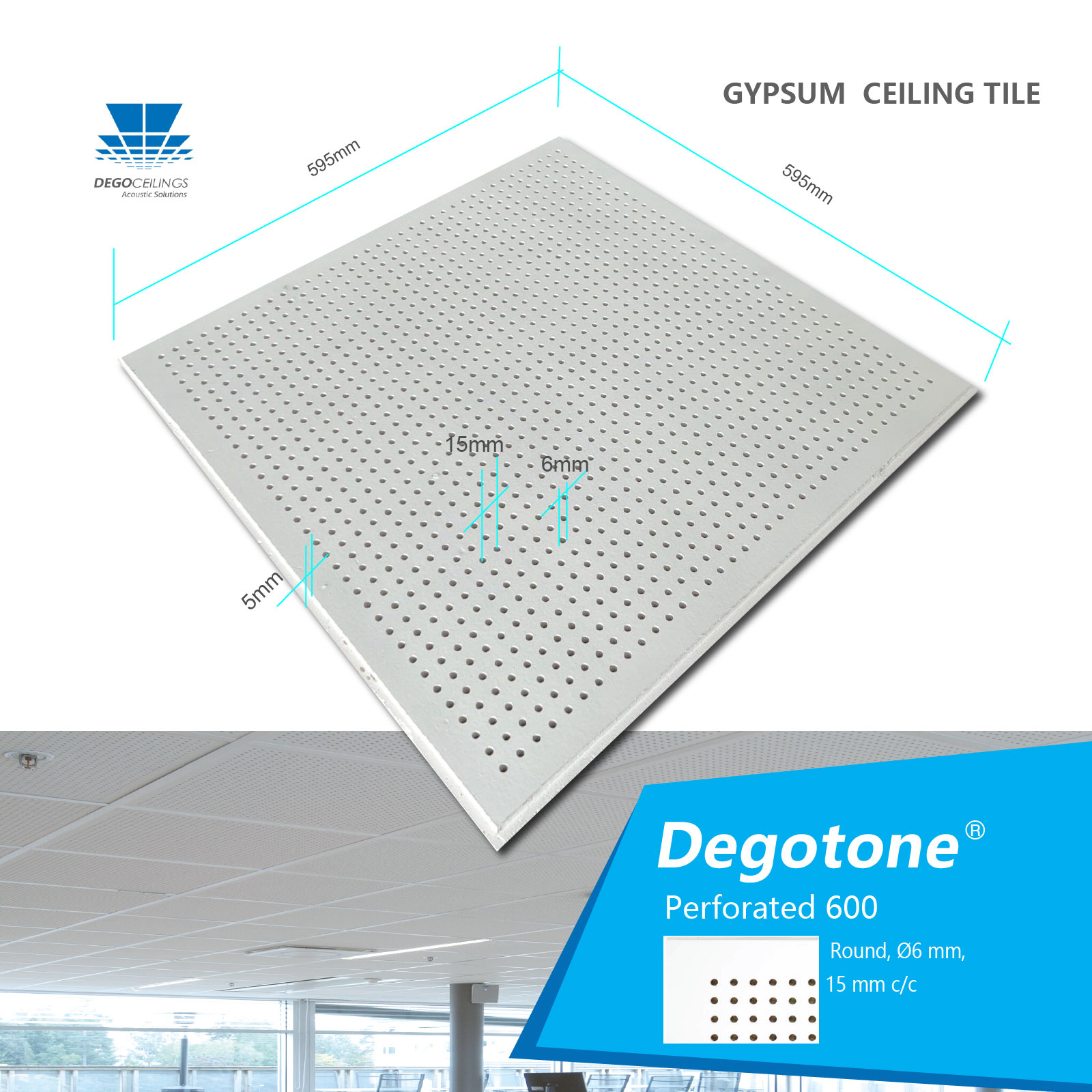
Market Size and Growth Trends:The global acoustic ceiling market reached sales of RMB 43.5 billion in 2023 and is expected to reach RMB 64.7 billion by 2030, at a compound annual growth rate (CAGR) of 5.8% (2024-2030)
..The Chinese market has been changing faster in the past few years, with a market size of hundreds of millions of RMB in 2023, and is expected to reach a higher market size in 2030
..
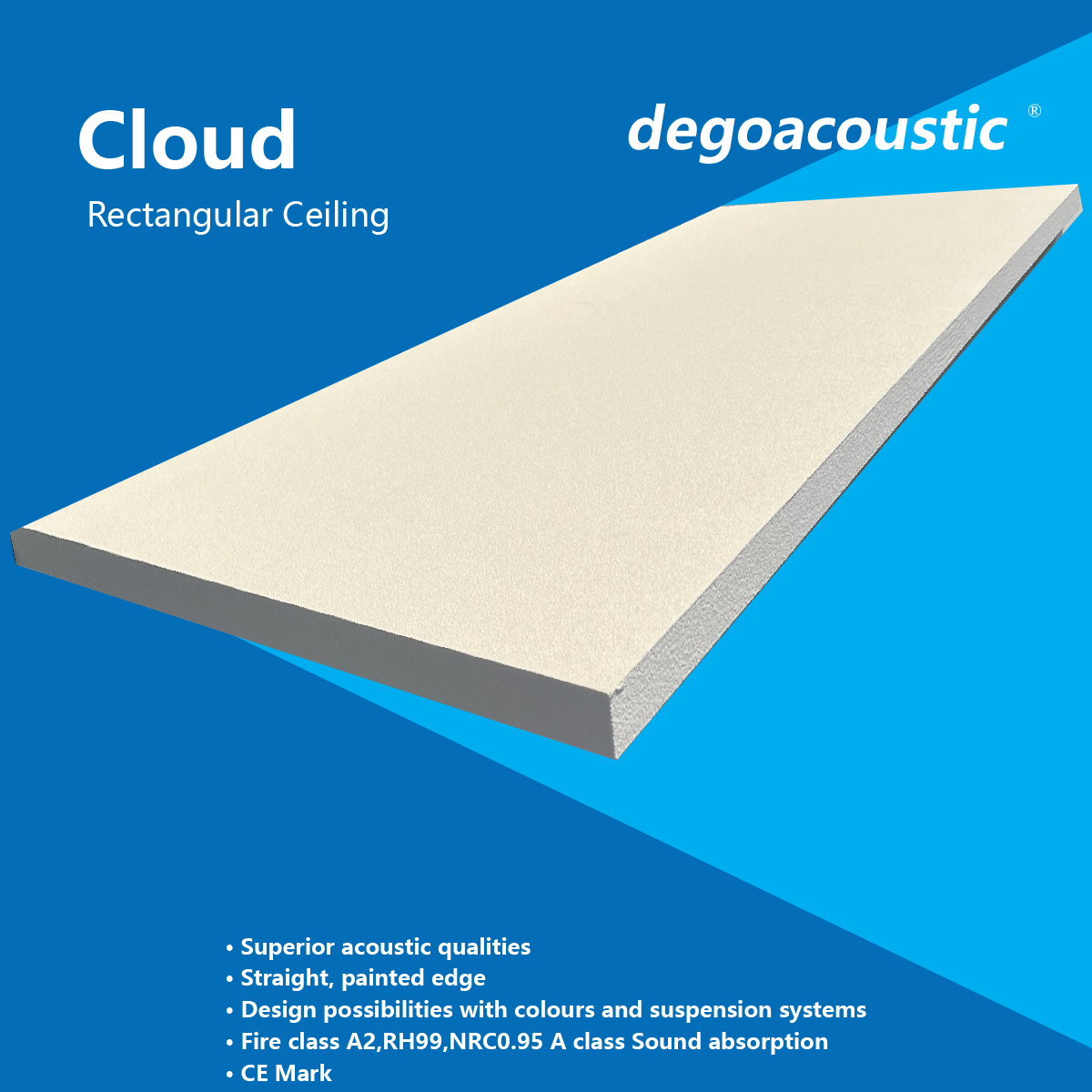
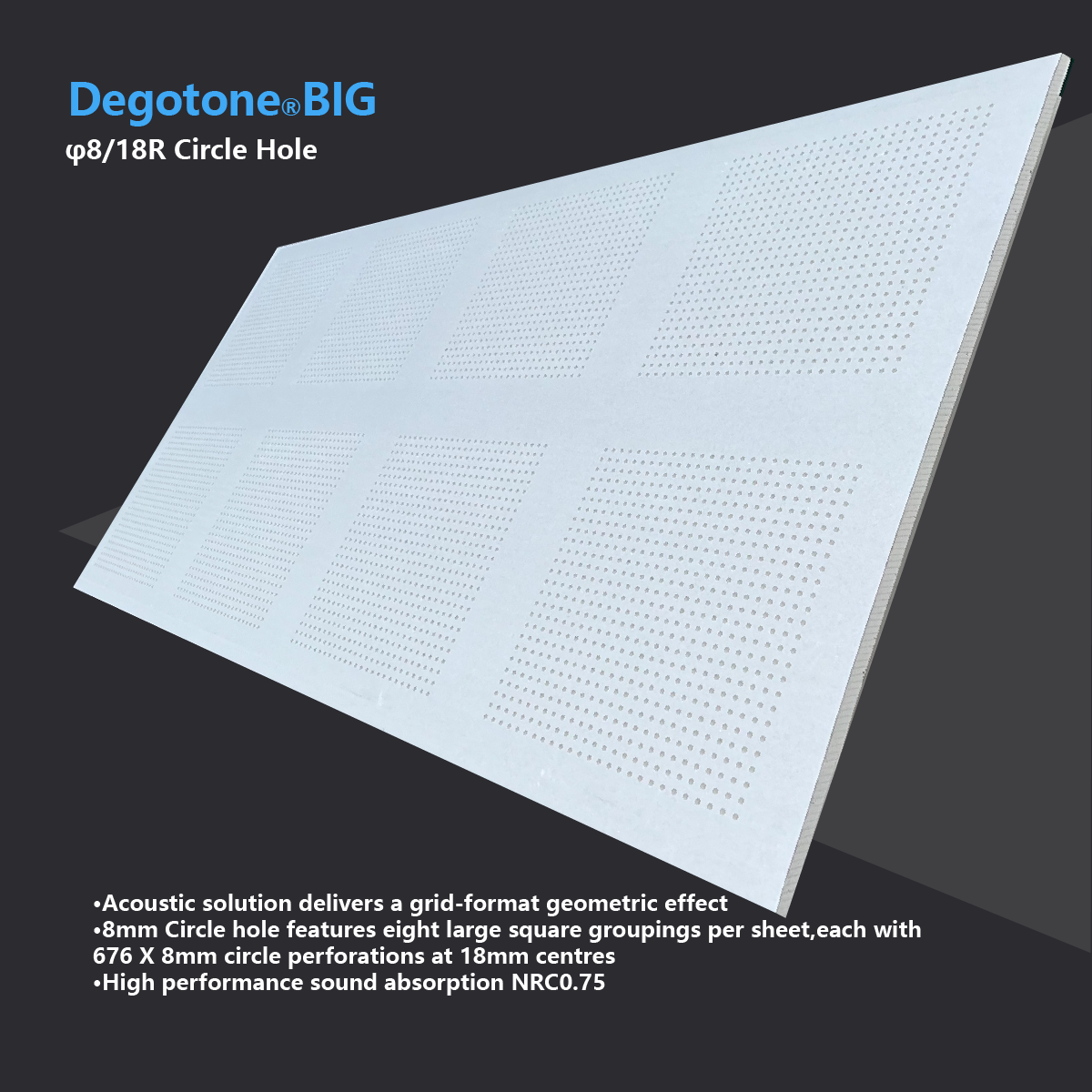
Product Type and Application: Acoustic Ceiling can be subdivided by type into metal, gypsum, mineral wool, etc., among which mineral wool occupies an important position, with a market size of hundreds of millions of RMB in 2022.The downstream applications of acoustic ceilings are mainly non-residential, industrial, and residential, of which residential occupies the largest market share in the application market
..
Market Competitive Landscape: The report includes the market operation and share of key players in the industry, with CR3 and CR5 occupying a certain percentage of the market share in 2022.Benchmark companies in the industry have revenues in the hundreds of millions of RMB by 2022
..
Impact of raw material prices: fluctuations in upstream raw material prices have a significant impact on the price of acoustic ceiling products
..
Industry Development Trend: The global acoustic ceiling market volume will grow at a certain rate to reach a higher market size by 2028.The report also forecasts the global and major regions sales, revenue, as well as categorised sales and revenue forecasts
..
Regional market analysis: the global major regions including North America, Europe, China, Japan, South Korea, etc., Asia-Pacific region will play a more important role, in addition to China, the United States and Europe, Japan, South Korea market can not be ignored
..
Industry Concentration and Degree of Competition: The report analyses the concentration and degree of competition in the acoustic ceiling industry, including the market share of the global Top 5 manufacturers, as well as the first-tier, second-tier, and third-tier manufacturers (brands) and market share.
..
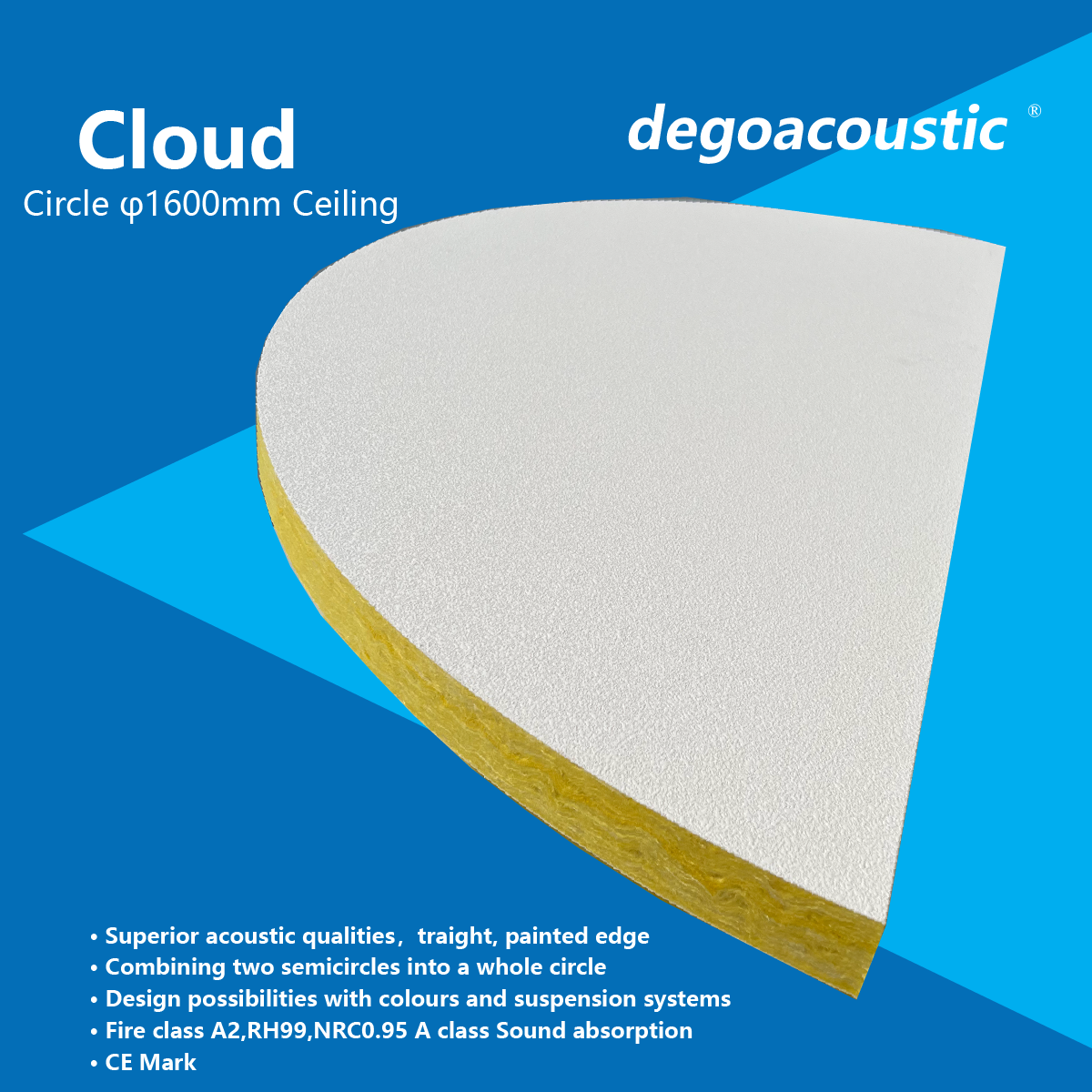
New Investments and M&A Activities: The report also covers new investments and market M&A activities in the global acoustic ceiling industry
The advantages of acoustic ceilings in terms of environmental protection are mainly reflected in the following aspects:
Green and healthy: the material properties of sound-absorbing ceiling make it harmless to human body, the raw materials are non-toxic, harmless, low emission, no special impact on the environment, to create a comfortable and safe home environment for the owners.
The production process of eco-wood is pollution-free.
Recyclable materials: such as glass fibre acoustic ceiling in the production process using recyclable glass fibre, reducing the pollution of the environment, and can also be environmentally friendly treatment at the end of use.
The production process of eco-wood is pollution-free.
No harmful substances: polyester fibre acoustic panels are non-toxic and tasteless, and will not release harmful gases.It meets the modern demand for health and environmental protection
The production process of eco-wood is pollution-free.
Environmental grade: sound-absorbing board in the substrate installation, according to the substrate material emitted by the release of formaldehyde to distinguish between levels, of which E0 level for the highest level of environmental protection, but also the European environmental standards.
The production process of eco-wood is pollution-free.
Antibacterial, sterilisation function: new environmentally friendly materials not only do not constitute a hazard to human health, but also should have a variety of other functions, such as antibacterial, sterilisation and so on.
The production process of eco-wood is pollution-free.
Fire performance: many sound-absorbing ceiling materials have good fire performance, such as glass fibre acoustic ceiling can reach the requirements of class A non-combustible materials, providing a strong guarantee for building safety.
The production process of eco-wood is pollution-free.
Moisture-proof, mould-proof: some acoustic ceiling materials such as polyester fibre acoustic panels have moisture-proof and mould-proof properties, which help to maintain a dry and hygienic indoor environment.
The production process of eco-wood is pollution-free.
Durability: Acoustic ceilings such as polyester fibre acoustic panels have good weather resistance and stability, and can maintain their performance and appearance for a long time.
The production process of eco-wood is pollution-free.
Low maintenance cost: Aluminium ceiling acoustic panels and other materials have good corrosion resistance and moisture resistance, not easy to aging, low maintenance cost.
The production process of eco-wood is pollution-free.
Pollution-free production: eco-wood and other materials, the production process is not polluted, but also solves the problem of plastics, wood industry waste resources recycling, very consistent with the establishment of a conservation-oriented society advocated by the state energy-saving emission reduction policy!
The production process of eco-wood is pollution-free.