

Acoustic ceilings are a building material specifically designed to reduce noise and improve the acoustic environment
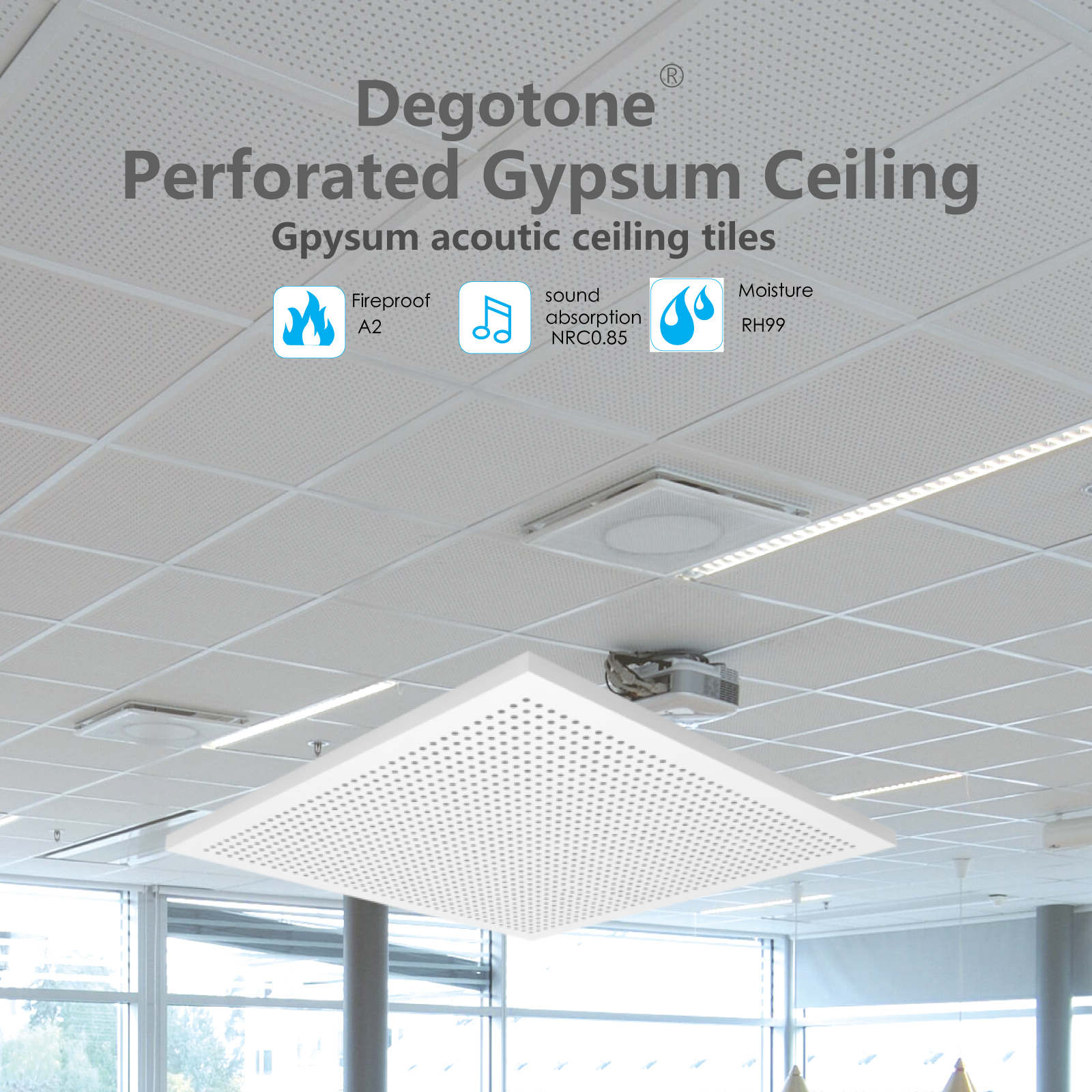
Basic Fibre Glass Boards Material properties
Acoustic performance: Sand Surface Acoustic Ceilings sound-absorbing ceiling can effectively absorb and reduce the noise in the space, reduce the echo time, improve the indoor acoustic environment.
Lightweight and easy to install.For example, the fibre structure of glass fibre acoustic ceilings can effectively absorb and reduce noise in the space.
Lightweight and easy to install.
Fire performance: Acoustic ceilings usually have good fire performance, some products such as polyester fibre acoustic panels meet the national standard GB8624B1 level requirements.
Lightweight and easy to install.
Durability and moisture resistance: acoustic ceilings such as glass fibre acoustic ceilings have excellent durability and moisture resistance, and are not easily affected by moisture and deformation.
Lightweight and easy to install.
Lightweight and easy to install: Smooth Surface Drop Ceilings sound-absorbing ceilings such as glass fibre acoustic ceiling panels have a light weight, easy to carry and install.
Lightweight and easy to install.
Acoustic Glass Fibre Ceilings Aesthetically pleasing and customizable: the surface of acoustic ceilings can be decorated in a variety of ways, offering a wide choice of colours and textures to meet the needs of different interior decoration styles.
Application Scenarios
Sound-absorbing ceilings are widely used in places that need to reduce noise and improve the acoustic environment, including but not limited to:
Meeting rooms: provide a clear voice transmission environment to ensure efficient business communication
The following are some examples of acoustic improvements.
Concert halls: Absorb audio reflections, provide high-quality acoustics, and enhance the music listening experience.
The following are some examples of acoustic improvements.
Libraries: Reduce noise propagation and interference to create a quiet study and research environment for readers.
The following are some examples of acoustic improvements.
Stadiums: Improve the acoustics of large spaces to ensure that spectators can clearly hear match commentators and athletes.
The following are some examples of acoustic improvements.
Office buildings, hotels, hospitals, etc.: Improve the overall acoustic quality and create a more comfortable and pleasant indoor environment.
The following are some examples of acoustic improvements.
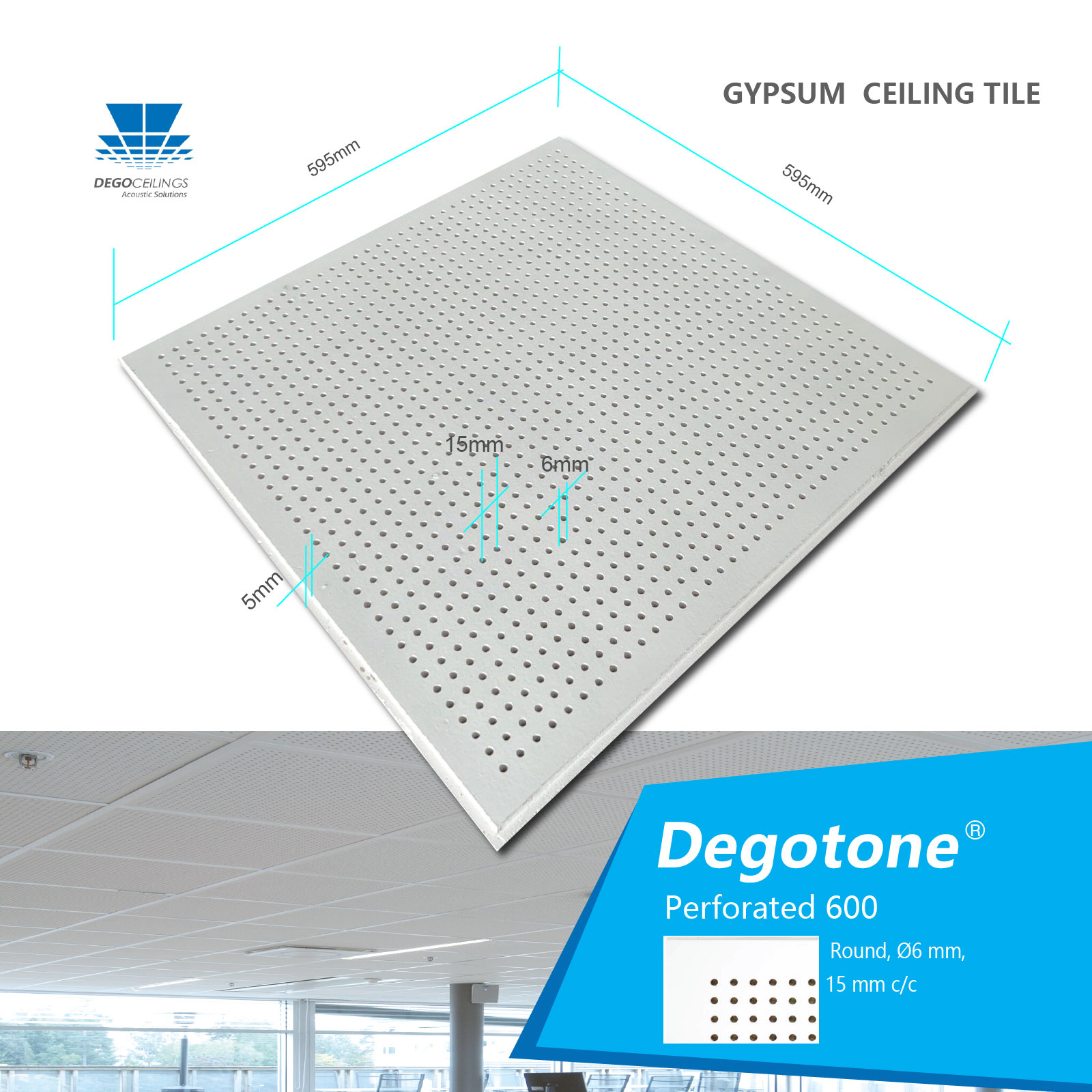
Market Scenario
The global acoustic ceiling market size continues to grow, with global market sales reaching $43.5 billion in 2023 and expected to reach $64.7 billion in 2030, at a compound annual growth rate (CAGR) of 5.8% (2024-2030)
.The Chinese market has changed rapidly over the past few years, with a market size of $ billion in 2023, accounting for approximately % of the global market, and is expected to reach $ billion in 2030, when the global share will reach %
.Key players in the global market include STAR-USG, Beijing New Building Material, Armstrong, and others
.
In summary, acoustic ceilings have become an important choice for improving the acoustic environment in modern buildings due to their excellent acoustic performance, fire resistance, durability, aesthetics, and wide range of market applications.
